

How FTU Forms Leaders: Rule of Life and AI Integrity
At Faith Theological University (FTU), spiritual formation is not treated as a supplementary activity alongside academic learning. It is the framework that holds theological education together. In a time when information is abundant and ministry “output” is easy to manufacture, FTU holds a different conviction: leaders are formed through sustained obedience, tested integrity, and Spirit-empowered endurance over time. This is why FTU builds formation as a system—structured, accountable, and measurable—rather than a set of inspirational experiences.
Tại Viện Thần Học Niềm Tin (FTU), sự rèn luyện thuộc linh không được xem là một hoạt động bổ trợ song hành với việc học thuật. Thay vào đó, nó chính là khung nền gắn kết toàn bộ nền giáo dục thần học lại với nhau. Trong bối cảnh thông tin đang trở nên vô cùng phong phú và các "sản phẩm" phục vụ chức vụ có thể dễ dàng được tạo ra, FTU lại mang một niềm xác tín khác biệt: những người lãnh đạo được hình thành thông qua sự vâng phục bền bỉ, sự chính trực đã qua thử thách, và sức chịu đựng được Thánh Linh ban năng quyền theo dòng thời gian. Chính vì lẽ đó, FTU xây dựng tiến trình rèn luyện như một hệ thống—có cấu trúc chặt chẽ, có tính trách nhiệm và có thể đo lường được—thay vì chỉ là một tập hợp những trải nghiệm mang tính khơi gợi cảm hứng đơn thuần.
1) Rule of Life: Daily Rhythm That Protects Intimacy With God
FTU forms leaders by establishing a consistent daily rhythm that keeps the heart anchored. A Rule of Life is not legalism; it is spiritual wisdom. Without structure, the inner life drifts toward noise, distraction, and gradual compromise. FTU trains students to begin the day with Scripture and prayer, to realign the heart throughout the day with short check-ins and surrender, and to close the day with reflection, confession, gratitude, and intentional boundary-setting for the next day. Over time, this rhythm forms stability that emotional intensity alone cannot sustain. Consistency becomes the tool God uses to shape depth, humility, and spiritual resilience.
FTU đào tạo nên những nhà lãnh đạo thông qua việc thiết lập một nhịp sống thường nhật nhất quán, giúp giữ cho tâm hồn luôn vững neo. Một "Quy tắc Sống" không phải là sự câu nệ hình thức; đó chính là sự khôn ngoan thuộc linh. Thiếu đi một khuôn khổ nhất định, đời sống nội tâm sẽ dễ bị cuốn trôi về phía những tạp âm, sự xao nhãng và sự thỏa hiệp dần dà. FTU rèn luyện sinh viên biết bắt đầu ngày mới bằng Kinh Thánh và cầu nguyện; biết điều chỉnh lại tâm hồn trong suốt ngày dài qua những khoảnh khắc tự vấn và phó thác ngắn ngủi; và biết khép lại ngày mới bằng sự suy ngẫm, xưng nhận, lòng biết ơn, cùng việc thiết lập những ranh giới có chủ đích cho ngày hôm sau. Theo thời gian, nhịp sống này sẽ kiến tạo nên một sự vững vàng mà riêng cường độ cảm xúc không thể nào duy trì nổi. Sự nhất quán ấy trở thành công cụ mà Đức Chúa Trời sử dụng để tôi luyện chiều sâu, sự khiêm nhường và sức bền bỉ thuộc linh.
2) Accountability: Walking in the Light as a Culture of Protection
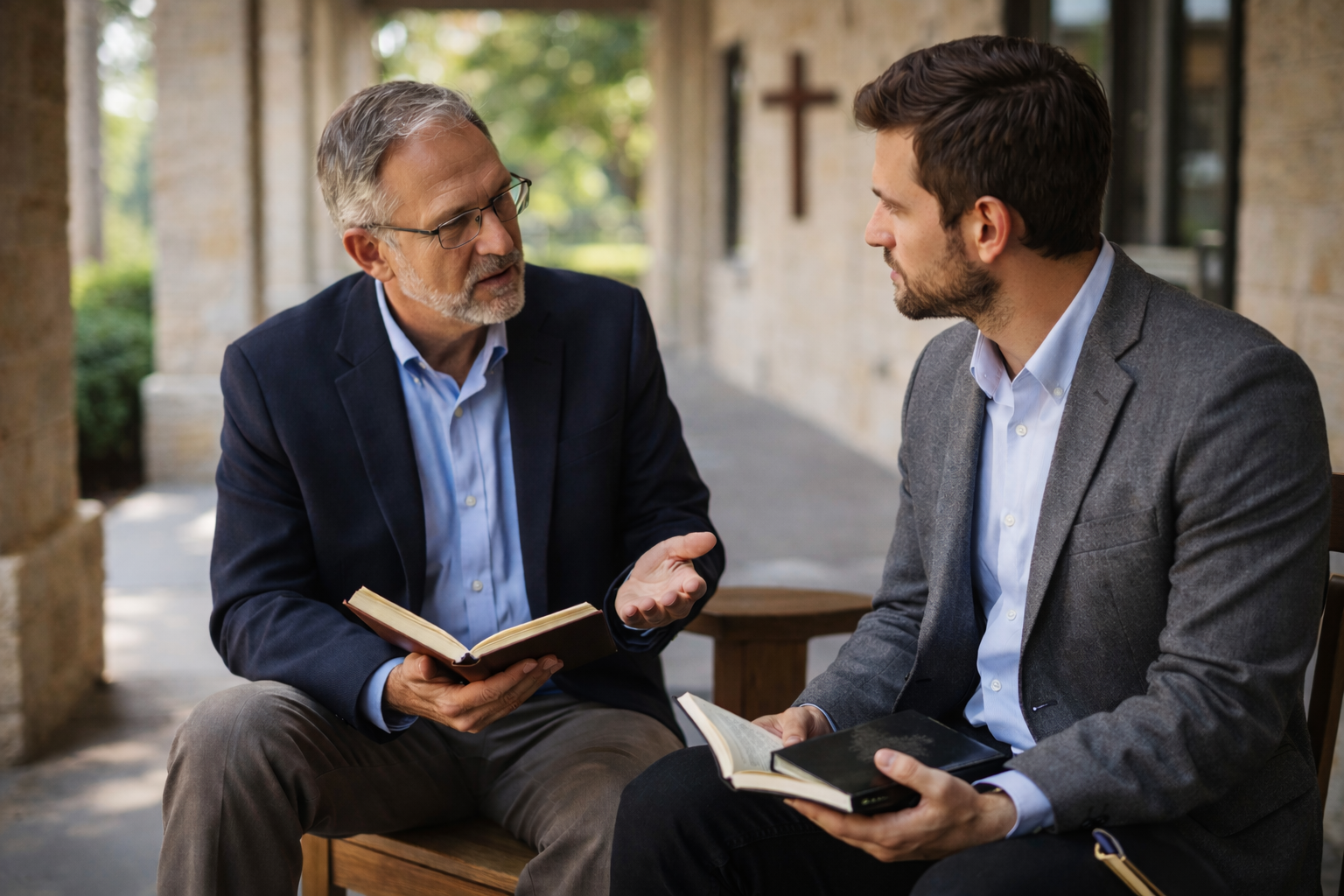
FTU treats accountability as protection, not punishment. Many ministry failures are not caused by lack of gifting but by an unmanaged private life. For that reason, FTU builds relational and structured oversight into the formation process. Students are guided through mentoring relationships and regular check-ins that prioritize early confession, honest self-examination, and practical steps of repentance. The goal is not control or shame. The goal is to form leaders who are truthful, teachable, and quick to respond when the Holy Spirit convicts. When accountability is normal, secrecy loses its power, and restoration becomes possible before sin becomes collapse.
FTU xem sự chịu trách nhiệm là một sự bảo vệ, chứ không phải là một hình phạt. Nhiều thất bại trong công tác mục vụ không bắt nguồn từ sự thiếu hụt ân tứ, mà lại xuất phát từ một đời sống riêng tư thiếu sự quản lý. Vì lẽ đó, FTU lồng ghép cơ chế giám sát mang tính quan hệ và có cấu trúc vào chính tiến trình đào tạo. Các học viên được dẫn dắt thông qua những mối quan hệ cố vấn và các buổi trao đổi định kỳ—những hoạt động luôn ưu tiên việc sớm bày tỏ, thành thật tự xét mình, cùng những bước thực hành cụ thể để ăn năn. Mục tiêu ở đây không phải là sự kiểm soát hay gây hổ thẹn. Mục tiêu chính là đào tạo nên những nhà lãnh đạo biết sống chân thật, sẵn lòng học hỏi, và mau mắn đáp ứng khi được Đức Thánh Linh cáo trách. Khi sự chịu trách nhiệm trở thành một lẽ thường tình, thì sự che giấu sẽ đánh mất quyền lực, và sự phục hồi sẽ trở nên khả thi ngay trước khi tội lỗi kịp dẫn đến sự sụp đổ.
3) Digital Holiness: Extending Integrity Into the Online Life
FTU believes holiness must include the digital world. Technology itself is not evil, but it amplifies what is already in the heart—distraction, comparison, validation hunger, impurity, and impulsiveness. Many spiritual breakdowns are incremental, shaped by late-night patterns, hidden browsing, and ungoverned attention. FTU’s emphasis on digital holiness trains students to practice integrity in media consumption, private habits, online speech, and messaging boundaries. This is not anti-technology. It is pro-formation. When a leader can govern attention, they are better equipped to govern desire. When digital secrecy is confronted early, credibility and purity are protected long-term.
FTU tin rằng sự thánh thiện phải bao gồm cả thế giới kỹ thuật số. Bản thân công nghệ không phải là xấu xa, nhưng nó khuếch đại những gì đã có sẵn trong tâm hồn – sự xao nhãng, so sánh, khao khát được công nhận, sự ô uế và tính bốc đồng. Nhiều sự suy sụp về mặt tâm linh diễn ra dần dần, được hình thành bởi những thói quen thức khuya, việc lướt web lén lút và sự chú ý không được kiểm soát. Việc FTU nhấn mạnh vào sự thánh thiện trong thế giới kỹ thuật số giúp sinh viên rèn luyện tính chính trực trong việc sử dụng phương tiện truyền thông, thói quen cá nhân, lời nói trực tuyến và ranh giới trong tin nhắn. Điều này không phải là chống lại công nghệ. Đó là ủng hộ sự hình thành nhân cách. Khi một người lãnh đạo có thể kiểm soát sự chú ý, họ sẽ được trang bị tốt hơn để kiểm soát ham muốn. Khi sự bí mật kỹ thuật số được giải quyết sớm, uy tín và sự trong sạch sẽ được bảo vệ lâu dài.
4) AI Integrity: Protecting Truthful Authorship and Pastoral Credibility
FTU embraces tools but refuses anything that replaces spiritual responsibility. AI can assist with limited tasks such as language clarity, outlining, or research orientation, but it must never become a substitute for prayerful study, exegetical wrestling, original reasoning, or personal theological reflection. FTU’s concern is not merely academic. Ministry authority depends on trust. If a student becomes comfortable presenting machine-generated work as personal understanding, they are being formed toward false authorship—and eventually, false authority. FTU therefore teaches students to practice transparent authorship, accurate citation, and honest disclosure when assistance is significant, so that integrity is preserved in both scholarship and ministry.
FTU đón nhận các công cụ nhưng từ chối bất cứ điều gì thay thế trách nhiệm tâm linh. Trí tuệ nhân tạo có thể hỗ trợ các nhiệm vụ hạn chế như làm rõ ngôn ngữ, lập dàn ý hoặc định hướng nghiên cứu, nhưng nó không bao giờ được thay thế cho việc học tập cầu nguyện, tranh luận giải thích, lập luận độc lập hoặc suy ngẫm thần học cá nhân. Mối quan tâm của FTU không chỉ đơn thuần là vấn đề học thuật. Quyền lực trong mục vụ phụ thuộc vào sự tin tưởng. Nếu một sinh viên cảm thấy thoải mái khi trình bày công trình do máy móc tạo ra như là sự hiểu biết cá nhân, họ đang bị định hình theo hướng tác giả giả mạo—và cuối cùng là quyền lực giả mạo. Do đó, FTU dạy sinh viên thực hành việc ghi chép minh bạch, trích dẫn chính xác và tiết lộ trung thực khi sự hỗ trợ là đáng kể, để tính chính trực được bảo toàn trong cả học thuật và mục vụ.
Integration: One Formation Architecture, Not Four Separate Topics
These four pillars function as a single formation architecture. The Rule of Life forms daily spiritual stability. Accountability keeps the inner life in the light. Digital holiness guards the most common pathways of secrecy and compromise. AI integrity protects truthfulness in learning and credibility in ministry. Together, they address modern theological risks that are increasingly common: knowledge without repentance produces pride; gifting without purity produces scandal; emotion without obedience produces instability; speed without depth produces shallow leaders; visibility without accountability produces collapse.
Bốn trụ cột này vận hành như một cấu trúc kiến trúc duy nhất cho sự rèn luyện tâm linh. Quy tắc Sống thiết lập sự ổn định tâm linh hằng ngày. Trách nhiệm giải trình giúp đời sống nội tâm luôn được soi sáng. Sự thánh khiết trong thế giới kỹ thuật số canh giữ những con đường dễ dẫn đến sự che giấu và thỏa hiệp nhất. Sự chính trực trong việc sử dụng AI bảo vệ tính chân thực trong học tập và uy tín trong công tác mục vụ. Khi kết hợp lại, chúng giúp giải quyết những rủi ro thần học hiện đại đang ngày càng trở nên phổ biến: kiến thức thiếu sự ăn năn sẽ sinh ra kiêu ngạo; ân tứ thiếu sự thanh sạch sẽ gây ra tai tiếng; cảm xúc thiếu sự vâng phục sẽ dẫn đến sự bất ổn; tốc độ thiếu chiều sâu sẽ tạo ra những người lãnh đạo hời hợt; và sự nổi bật thiếu trách nhiệm giải trình sẽ dẫn đến sự sụp đổ.
Conclusion: Why This Matters for the Church and the Nations
FTU is not trying to produce religious content makers or platform-driven personalities. The Church does not primarily need more talented communicators; it needs leaders who are trustworthy. FTU therefore measures formation by transformation over time—repentance, purity, obedience, love, and endurance.
FTU không hướng tới việc đào tạo những người sáng tạo nội dung tôn giáo hay những nhân vật chỉ nổi danh nhờ nền tảng truyền thông. Giáo Hội không chủ yếu cần thêm những người truyền thông tài năng; điều Giáo Hội cần là những nhà lãnh đạo đáng tin cậy. Do đó, FTU đánh giá quá trình đào tạo dựa trên sự biến đổi theo thời gian—bao gồm sự ăn năn, sự thanh sạch, sự vâng phục, tình yêu thương và sự kiên trì.
This is how FTU forms leaders.
Đây là cách FTU đào tạo nên những nhà lãnh đạo.
Not just capable.
Credible.
Not just trained.
Transformed.
Không chỉ có năng lực.
Mà còn đáng tin cậy.
Không chỉ được đào tạo.
Mà còn được chuyển hóa.